


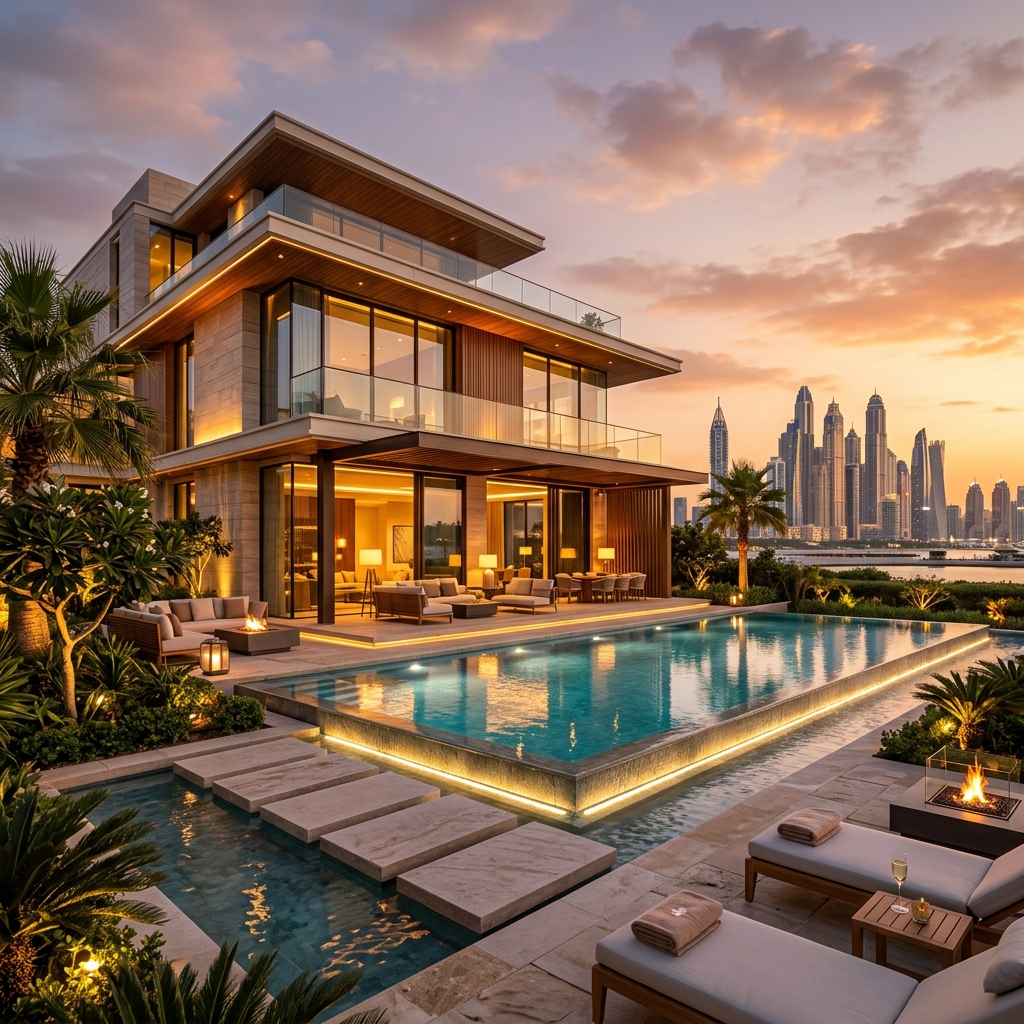
KNX and DALI are often discussed as alternatives but they solve different problems. KNX is a building-wide control bus covering lighting, HVAC, blinds, and access; DALI is a digital lighting-only protocol that excels at fine-grained luminaire control.
When KNX is the right call
If the retrofit aims to unify lighting, AC zoning, motorised blinds, and audio-video on one platform, KNX is the more complete answer. The trade-off is upfront cabling complexity and licensed integrator cost.
When DALI is enough
Pure lighting retrofits, especially in a villa with high luminaire counts where dimming scenes and colour-temperature control are the priority, often run on DALI alone or DALI gatewayed to a Wi-Fi controller.
Hybrid is common in Dubai
A KNX backbone with DALI lighting groups is the most common architecture in Dubai high-end villas because it gives the lighting designer full DALI flexibility while everything else lives on KNX.
Decision framework
- Lighting only? DALI standalone or Wi-Fi DALI is usually sufficient
- Lighting + AC + blinds + access? KNX backbone with DALI lighting groups
- Need offline reliability? KNX runs without internet; cloud-only systems do not
- Plan for at least one spare cable per zone for future expansion
- Specify the visualisation/UI layer separately from the bus protocol
Why this matters
Choosing the wrong protocol locks in either future expansion cost or unnecessary complexity for years.